GPhC Registered Pharmacy — Verified & Trusted

Altitude Sickness Treatments

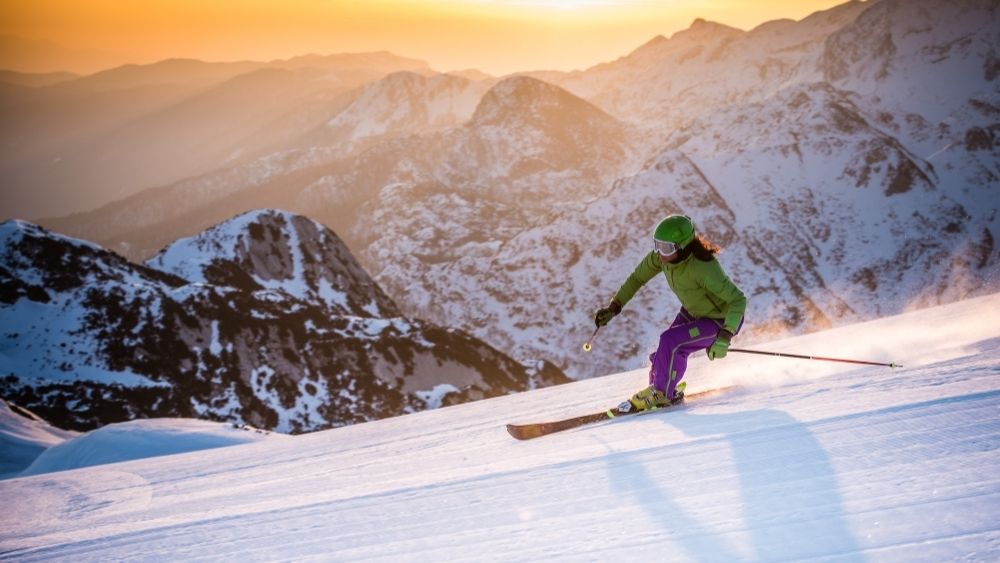
Altitude sickness occurs when the body cannot adjust quickly enough to low oxygen levels at high altitudes. It causes symptoms like headaches, nausea, dizziness, and fatigue, which can progress to dangerous conditions if ignored. Gradual ascent, proper hydration, and rest are key preventive measures. Most mild cases improve as the body acclimatises or after descending, allowing travellers to adapt safely and continue enjoying mountain environments.

By clicking start your consultation you agree to our Privacy Policy and confirm that you are over 18 years of age.

15%
Avg. body weight lost
92%
Patient satisfaction
1,000+
Patients treated
4.9★
Patient rating
Altitude Sickness
UK-registered prescribers review every order
Clinically-approved treatments only
Discreet next-day delivery
Ongoing prescriber support
GPhC Registered
Next-Day Delivery
1

Start Consultation

Answer a short medical questionnaire

2

Choose Treatment

Select your preferred option

3

Prescribe

Prescriber reviews & approves

4

Review

Pharmacist clinically checks

5

Delivered

Discreet next-day delivery

TREATMENTS

Treatments for Altitude Sickness

Search for the right altitude sickness treatment in our online store, or contact us for expert advice.

Eligibility Check

Am I eligible for altitude sickness treatment?

BMI of 30+ (or 27+ with conditions)
Over 18 years of age
Not pregnant or breastfeeding
No contraindicated conditions
Start Your Consultation

Weight Loss Calculator

Check your eligibility

Calculator embed area

<iframe src="your-calculator-url"></iframe>
About This Condition

Understanding altitude sickness treatments

Search for the right altitude sickness treatment in our online store, or contact us for expert advice.

Altitude sickness, also known as acute mountain sickness (AMS), occurs when the body struggles to adjust to lower oxygen levels at high altitudes, typically above 2,500 metres (8,000 feet). The condition develops as the air becomes thinner and contains less oxygen, making it harder for the body to deliver sufficient oxygen to tissues. It can affect anyone, regardless of age, fitness level, or previous experience at high altitude. Symptoms usually appear within a few hours of ascent and vary in severity depending on how quickly a person climbs and how well their body acclimatises.

Common symptoms of altitude sickness include headaches, nausea, dizziness, fatigue, and shortness of breath. Some individuals may also experience difficulty sleeping, loss of appetite, or swelling of the hands, feet, and face. These symptoms often feel similar to a hangover and may worsen at night. In most cases, symptoms are mild and improve as the body adapts, but if ignored, they can progress to more serious conditions such as high-altitude cerebral oedema (HACE) or high-altitude pulmonary oedema (HAPE), which can be life-threatening.

The main cause of altitude sickness is ascending too quickly without allowing the body time to acclimatise. As altitude increases, the body needs time to produce more red blood cells to carry oxygen more efficiently. Rapid ascent, dehydration, and physical exertion increase the likelihood of developing symptoms. Cold weather and lack of rest can also add strain to the body’s ability to adapt.
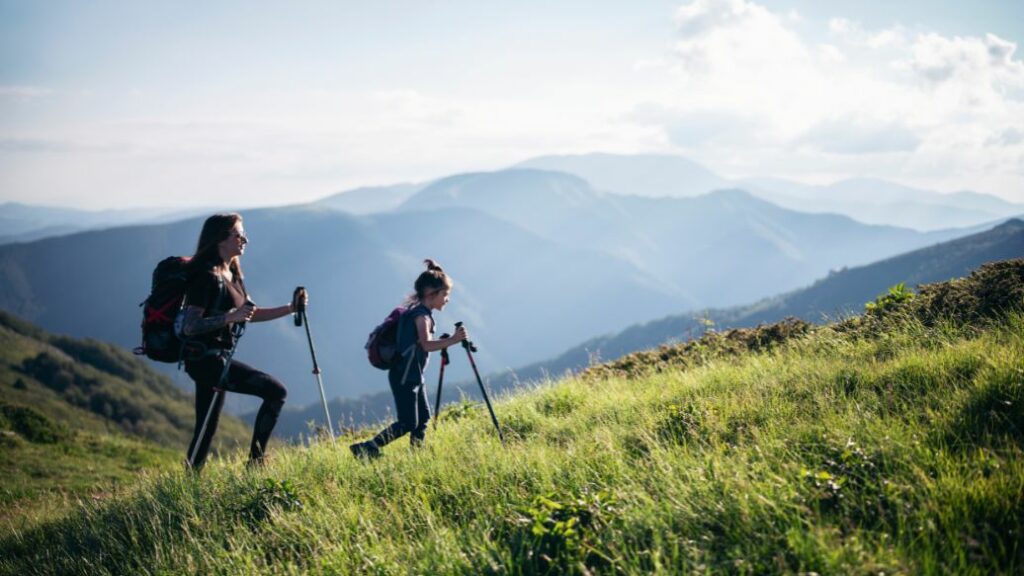

Prevention is key when travelling to high altitudes. Ascending gradually, allowing for rest days every few hundred metres of elevation gain, helps the body adjust naturally. Staying well-hydrated, eating nutritious meals, and avoiding alcohol and strenuous exercise during early stages of acclimatisation can reduce risk. Listening to the body is essential—if symptoms appear, pausing ascent or descending slightly can prevent worsening of the condition.

People who spend extended periods at high altitudes often find that their tolerance improves with repeated exposure. Many mountaineers, trekkers, and travellers take time to “climb high, sleep low,” a method that involves ascending during the day but sleeping at lower elevations to encourage gradual adaptation. Maintaining a slow and steady pace is one of the most effective ways to prevent altitude-related problems.

Most cases of mild altitude sickness resolve within a day or two once the body adapts or descent occurs. However, it is important not to ignore early warning signs. Severe cases can lead to confusion, difficulty walking, or shortness of breath even at rest, which require immediate descent and medical attention. With proper preparation and awareness, most people can safely enjoy high-altitude travel and activities without serious issues.

Patient Reviews

Trusted by thousands

See what our patients are saying about their experience.

Best pharmacy service I've used. Properly supported with check-ins — not just a dispensing machine. Real clinical care.

MS
Mitesh S.Verified Patient

I was nervous about ordering online but the team were so professional and the consultation felt thorough. Highly recommend.

NH
Nicola H.Verified Patient

Incredibly smooth process from start to finish. Medication arrived the next day in discreet packaging. Will definitely use again.

GE
Gareth E.Verified Patient

Patient video stories

Real patients sharing their experience in their own words.

FAQs

Altitude Sickness questions

What is altitude sickness?

Altitude sickness, or acute mountain sickness (AMS), is a condition caused by ascending to high altitudes too quickly, leading to symptoms like headache, nausea, and breathlessness due to reduced oxygen.

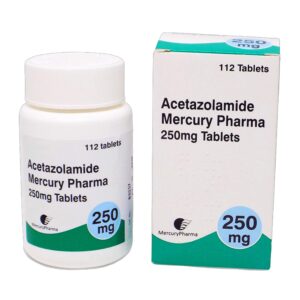
How does Acetazolamide help with altitude sickness?

Acetazolamide helps by adjusting the body’s acid-base balance, which improves breathing and oxygen uptake, making it easier to adapt to higher elevations.

When should I start taking altitude sickness tablets?

It’s recommended to begin treatment 1–2 days before ascending and continue for at least 48 hours after reaching altitude, or as directed by a healthcare provider.

Can anyone take altitude sickness treatment?

Most healthy adults can take Acetazolamide, but a prescriber will assess your medical history to ensure it’s safe and suitable for you, especially if you have kidney or liver issues.

How do I order altitude sickness treatment online?

Simply select your treatment on our website, complete the online consultation, and our prescriber will review it. If approved, your medication is dispatched quickly and discreetly.

Ready to start your treatment?

Browse our treatments or book a consultation with our pharmacy team today.

Start Your Consultation
Trusted By & Working With