


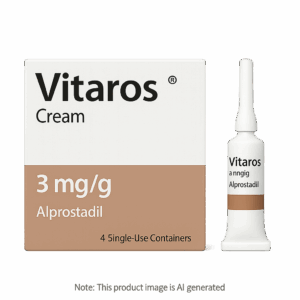
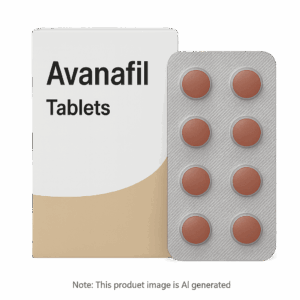
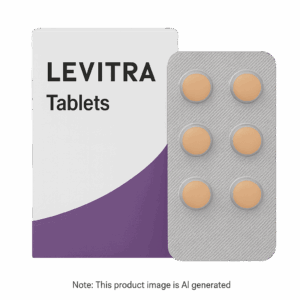

Erectile dysfunction (ED) is the inability to achieve or maintain an erection firm enough for sexual activity. It is a common condition that can affect men of all ages, though it becomes more frequent with age. Occasional difficulty is normal, but persistent problems may indicate an underlying health or psychological issue. ED can impact self-esteem, relationships, and overall quality of life, but it is treatable in most cases.
The process of getting an erection involves a complex interaction between the brain, nerves, blood vessels, and hormones. When any part of this system is disrupted, it can affect sexual function. Physical causes include poor blood flow, high blood pressure, diabetes, obesity, and smoking. Nerve damage, hormonal imbalances, and certain medications can also contribute.
Psychological factors are another common cause. Stress, anxiety, depression, and relationship problems can interfere with sexual arousal and performance. In some cases, performance anxiety—worrying about being able to perform—can itself trigger or worsen the condition, creating a cycle of anxiety and erectile difficulty.