
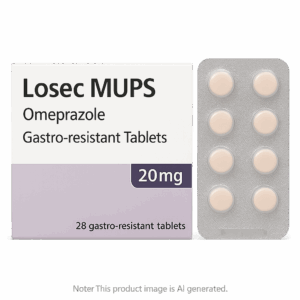
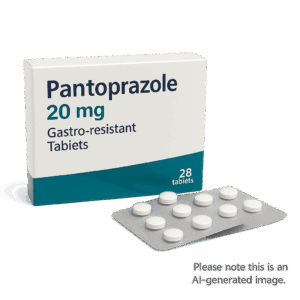

GPhC Registered Pharmacy — Verified & Trusted

Acid Reflux Treatments

Acid reflux happens when stomach acid flows back into the oesophagus, causing a burning sensation in the chest known as heartburn. It occurs when the muscle that separates the stomach from the oesophagus doesn’t close properly, allowing acid to escape. Symptoms include chest discomfort, a sour taste, or difficulty swallowing. Factors like being overweight, eating large or spicy meals, and lying down after eating can worsen symptoms. Making lifestyle changes such as eating smaller meals, avoiding trigger foods, and elevating the head while sleeping can help. Persistent acid reflux should be checked by a healthcare professional to prevent complications and ensure proper treatment.

By clicking start your consultation you agree to our Privacy Policy and confirm that you are over 18 years of age.

15%
Avg. body weight lost
92%
Patient satisfaction
1,000+
Patients treated
4.9★
Patient rating
Acid Reflux
UK-registered prescribers review every order
Clinically-approved treatments only
Discreet next-day delivery
Ongoing prescriber support
GPhC Registered
Next-Day Delivery
1

Start Consultation

Answer a short medical questionnaire

2

Choose Treatment

Select your preferred option

3

Prescribe

Prescriber reviews & approves

4

Review

Pharmacist clinically checks

5

Delivered

Discreet next-day delivery

TREATMENTS

Treatments for Acid Reflux

Search for the right acid reflux treatment in our online store, or contact us for expert advice.

Eligibility Check

Am I eligible for acid reflux treatment?

BMI of 30+ (or 27+ with conditions)
Over 18 years of age
Not pregnant or breastfeeding
No contraindicated conditions
Start Your Consultation

Weight Loss Calculator

Check your eligibility

Calculator embed area

<iframe src="your-calculator-url"></iframe>
About This Condition

Understanding acid reflux treatments

Search for the right acid reflux treatment in our online store, or contact us for expert advice.

Acid reflux occurs when stomach acid travels up into the oesophagus, the tube connecting the mouth to the stomach. This happens when the lower oesophageal sphincter, a small ring of muscle at the bottom of the oesophagus, does not close properly or relaxes too often. The acid irritates the lining of the oesophagus, leading to a burning sensation in the chest known as heartburn. Occasional reflux is common and can happen after large meals or when lying down soon after eating, but frequent episodes may indicate a chronic condition known as gastro-oesophageal reflux disease (GORD).

People with acid reflux often describe a burning feeling rising from the upper abdomen or lower chest toward the neck. This discomfort can be accompanied by a sour taste in the mouth or a feeling of fluid regurgitation. Some individuals experience difficulty swallowing, persistent coughing, hoarseness, or a sensation of a lump in the throat, particularly after meals or when lying flat. The severity and frequency of these symptoms can vary depending on lifestyle, diet, and body position.

Several factors contribute to acid reflux. Being overweight or pregnant can increase pressure on the abdomen, pushing stomach contents upward. Eating large or fatty meals, consuming certain foods like chocolate, citrus, onions, or spicy dishes, and drinking alcohol or caffeine can all trigger symptoms. Smoking weakens the lower oesophageal sphincter, making reflux more likely. Stress and lack of sleep may also play a role in aggravating discomfort or slowing digestion.
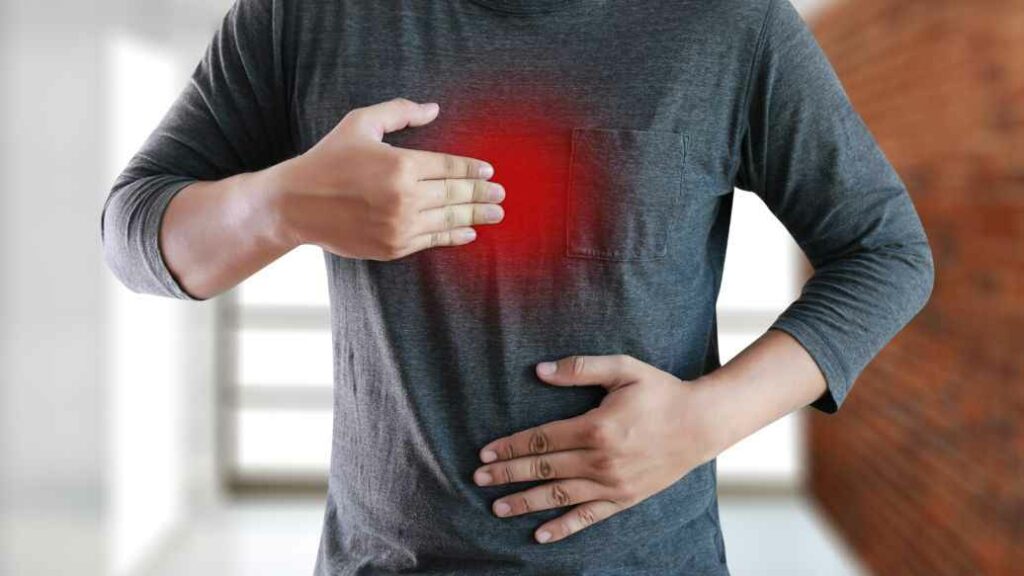

Lifestyle changes can make a significant difference in managing acid reflux. Eating smaller meals more frequently, avoiding food before bedtime, and maintaining a healthy weight help reduce pressure on the stomach. Elevating the head of the bed slightly can also prevent acid from moving upward during sleep. Wearing loose clothing and avoiding bending over immediately after eating may further ease symptoms.

Although acid reflux itself is not usually dangerous, persistent reflux can cause inflammation or damage to the lining of the oesophagus. Over time, this can lead to complications such as narrowing of the oesophagus or, in rare cases, changes in the tissue known as Barrett’s oesophagus, which requires monitoring by healthcare professionals. Identifying and managing the triggers early helps reduce long-term risk.

People who experience frequent or severe acid reflux should seek professional advice to rule out underlying issues and prevent complications. A clinician may recommend diagnostic tests to assess the condition of the oesophagus and evaluate the cause. With the right management plan, most people can significantly improve their symptoms and maintain a comfortable quality of life.

Patient Reviews

Trusted by thousands

See what our patients are saying about their experience.

Best pharmacy service I've used. Properly supported with check-ins — not just a dispensing machine. Real clinical care.

MS
Mitesh S.Verified Patient

I was nervous about ordering online but the team were so professional and the consultation felt thorough. Highly recommend.

NH
Nicola H.Verified Patient

Incredibly smooth process from start to finish. Medication arrived the next day in discreet packaging. Will definitely use again.

GE
Gareth E.Verified Patient

Patient video stories

Real patients sharing their experience in their own words.

FAQs

Acid Reflux questions

What is the best treatment for acid reflux?

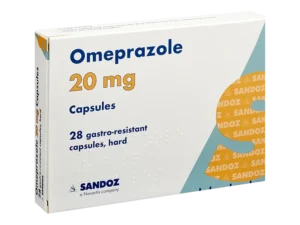
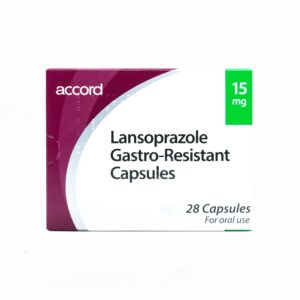
The most effective acid reflux treatment includes Omeprazole and Lansoprazole. These medications help reduce stomach acid, relieving heartburn and indigestion. A prescriber can recommend the most suitable option based on symptoms and medical history.

Can you buy omeprazole over the counter?

Lower doses of Omeprazole are available without a prescription, but stronger doses require prescriber approval. This ensures the medication is safe and appropriate for individual needs, especially for those needing long-term management.

What to drink for acid reflux relief?

Drinking water, herbal teas, and non-citrus drinks can help ease symptoms. Caffeinated drinks, alcohol, and fizzy beverages may worsen acid reflux and should be avoided where possible. Choosing the right fluids can support treatment and reduce irritation.

What not to take with Lansoprazole?

Certain medications, including antacids, blood thinners, and some antibiotics, may interfere with treatment. A prescriber will check for any potential interactions before approving a prescription to ensure safe use.

How quickly will I receive my acid reflux tablets?

When ordering from Pharmacy Mentor, fast UK delivery is available. Next-day options may be offered for approved orders, ensuring you receive your medication quickly and without hassle.

Ready to start your treatment?

Browse our treatments or book a consultation with our pharmacy team today.

Start Your Consultation
Trusted By & Working With