






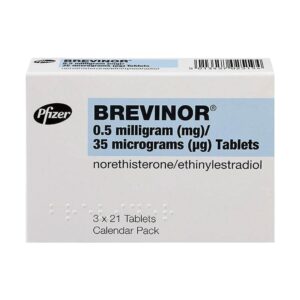
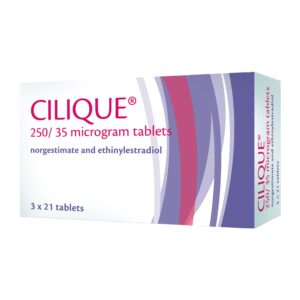

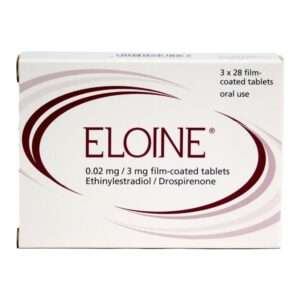








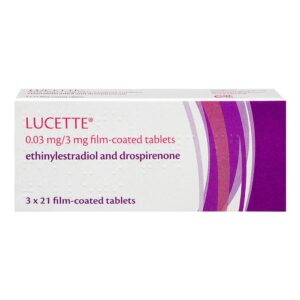





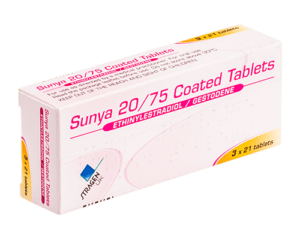


Contraceptives are methods used to prevent pregnancy by interfering with the natural process of fertilisation or implantation. They allow individuals to plan if and when they want to have children, providing control over reproductive health. There are many forms of contraception available, and the choice often depends on personal preference, health, and lifestyle.
Barrier methods, such as condoms and diaphragms, work by physically blocking sperm from reaching the egg. Condoms also provide protection against sexually transmitted infections, making them one of the most versatile and widely used methods. These options are generally easy to use and accessible without a prescription.
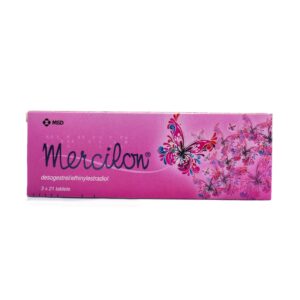
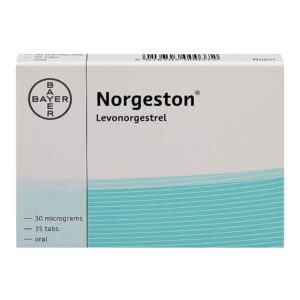
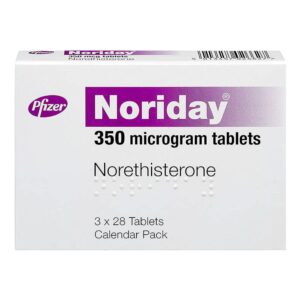
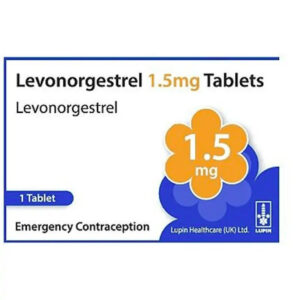
Hormonal contraceptives use synthetic hormones to prevent ovulation, thicken cervical mucus, or thin the uterine lining, reducing the likelihood of pregnancy. These include options such as pills, patches, injections, implants, and intrauterine systems (IUS). Hormonal methods vary in duration and effectiveness, with some providing protection for several years once placed.