
GPhC Registered Pharmacy — Verified & Trusted

Anal Fissures Treatments

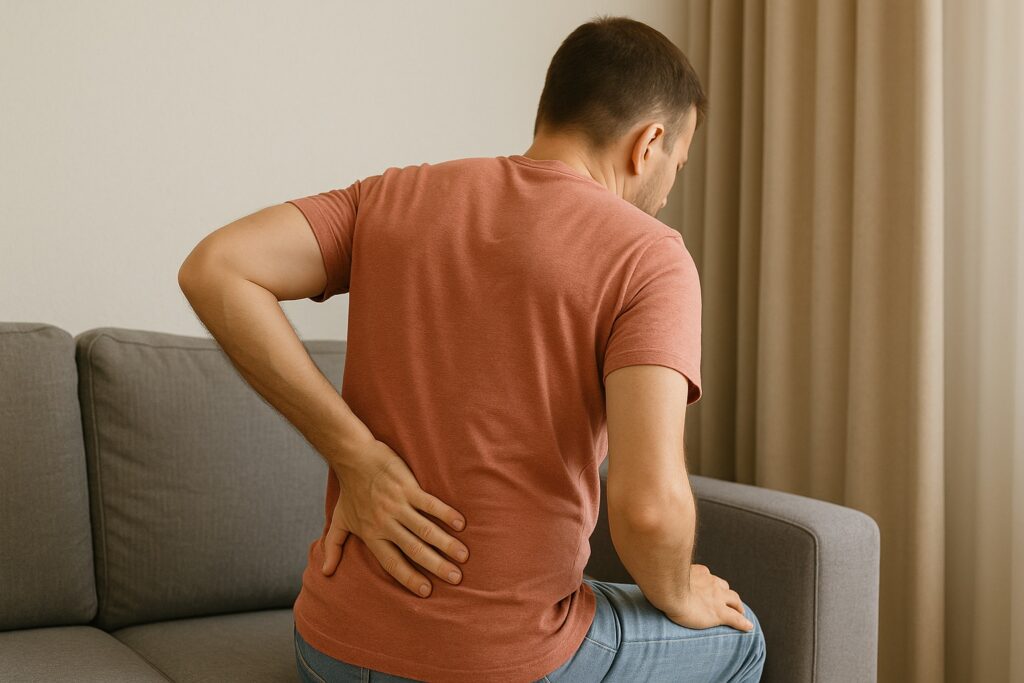
Anal fissures are small tears in the lining of the anus that cause pain and bleeding during bowel movements. They are often linked to constipation, straining, or passing hard stools. Eating a high-fibre diet, staying hydrated, and avoiding excessive wiping can help prevent and heal fissures. Most cases heal on their own within a few weeks, though chronic fissures may need medical attention for proper recovery.

By clicking start your consultation you agree to our Privacy Policy and confirm that you are over 18 years of age.

15%
Avg. body weight lost
92%
Patient satisfaction
1,000+
Patients treated
4.9★
Patient rating
Anal Fissures
UK-registered prescribers review every order
Clinically-approved treatments only
Discreet next-day delivery
Ongoing prescriber support
GPhC Registered
Next-Day Delivery
1

Start Consultation

Answer a short medical questionnaire

2

Choose Treatment

Select your preferred option

3

Prescribe

Prescriber reviews & approves

4

Review

Pharmacist clinically checks

5

Delivered

Discreet next-day delivery

TREATMENTS

Treatments for Anal Fissures

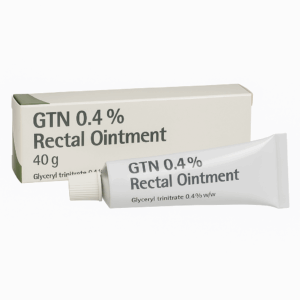
Search for the right anal fissures treatment in our online store, or contact us for expert advice.

Eligibility Check

Am I eligible for anal fissures treatment?

BMI of 30+ (or 27+ with conditions)
Over 18 years of age
Not pregnant or breastfeeding
No contraindicated conditions
Start Your Consultation

Weight Loss Calculator

Check your eligibility

Calculator embed area

<iframe src="your-calculator-url"></iframe>
About This Condition

Understanding anal fissures treatments

Search for the right anal fissures treatment in our online store, or contact us for expert advice.

Anal fissures are small tears or cracks in the lining of the anus, the final part of the digestive tract where stool exits the body. These tears often cause pain and bleeding during bowel movements and can make passing stool feel sharp or burning. Anal fissures are common and can affect people of all ages, though they tend to occur more often in young adults and middle-aged individuals. While usually not serious, they can cause significant discomfort and distress if not properly managed.

The most common cause of anal fissures is trauma to the anal canal, often due to passing hard or large stools during constipation. Frequent diarrhoea, childbirth, and prolonged straining can also contribute. In some cases, repeated irritation from wiping or certain medical conditions affecting blood flow can make the area more prone to tearing. Once a fissure develops, the pain it causes can make people reluctant to have bowel movements, leading to a cycle of constipation and further irritation.

Symptoms of an anal fissure typically include sharp pain during and after bowel movements, bright red blood on toilet paper or in the stool, and sometimes itching or a visible tear around the anus. The pain can last from minutes to hours, depending on the severity of the fissure. Some people may also develop a small lump near the tear, called a sentinel pile, which can appear as the body’s response to chronic irritation.


Good bowel habits are essential for preventing and managing fissures. Eating a fibre-rich diet, drinking plenty of fluids, and avoiding straining during bowel movements help keep stools soft and easy to pass. Warm baths can also soothe the affected area and promote relaxation of the anal muscles, allowing the tissue to heal naturally. Maintaining good hygiene and avoiding harsh soaps or excessive wiping can prevent further irritation.

Most anal fissures heal within a few weeks with proper care, but chronic fissures—those lasting more than six weeks—may require further medical attention. These long-standing fissures are often associated with muscle tightness in the anal sphincter, which restricts blood flow and delays healing. Early recognition and appropriate management are key to preventing this progression.

Although anal fissures can be painful, they are generally treatable and rarely lead to complications when managed properly. Recognising symptoms early and adopting bowel-friendly habits can significantly reduce the risk of recurrence. With patience and care, most people recover fully and regain comfort during daily activities.

Patient Reviews

Trusted by thousands

See what our patients are saying about their experience.

Best pharmacy service I've used. Properly supported with check-ins — not just a dispensing machine. Real clinical care.

MS
Mitesh S.Verified Patient

I was nervous about ordering online but the team were so professional and the consultation felt thorough. Highly recommend.

NH
Nicola H.Verified Patient

Incredibly smooth process from start to finish. Medication arrived the next day in discreet packaging. Will definitely use again.

GE
Gareth E.Verified Patient

Patient video stories

Real patients sharing their experience in their own words.

Ready to start your treatment?

Browse our treatments or book a consultation with our pharmacy team today.

Start Your Consultation
Trusted By & Working With