


GPhC Registered Pharmacy — Verified & Trusted

Angina Treatments

Angina is chest pain caused by reduced blood flow to the heart, often due to narrowed or blocked arteries. It typically feels like pressure or tightness in the chest and can spread to the arms, neck, or jaw. Triggers include physical exertion and stress, with relief coming from rest. Lifestyle changes such as healthy eating, regular exercise, and quitting smoking can reduce symptoms and improve heart health. Persistent or sudden chest pain should always be treated as a medical emergency.

By clicking start your consultation you agree to our Privacy Policy and confirm that you are over 18 years of age.

15%
Avg. body weight lost
92%
Patient satisfaction
1,000+
Patients treated
4.9★
Patient rating
Angina
UK-registered prescribers review every order
Clinically-approved treatments only
Discreet next-day delivery
Ongoing prescriber support
GPhC Registered
Next-Day Delivery
1

Start Consultation

Answer a short medical questionnaire

2

Choose Treatment

Select your preferred option

3

Prescribe

Prescriber reviews & approves

4

Review

Pharmacist clinically checks

5

Delivered

Discreet next-day delivery

TREATMENTS

Treatments for Angina

Search for the right angina treatment in our online store, or contact us for expert advice.

Eligibility Check

Am I eligible for angina treatment?

BMI of 30+ (or 27+ with conditions)
Over 18 years of age
Not pregnant or breastfeeding
No contraindicated conditions
Start Your Consultation

Weight Loss Calculator

Check your eligibility

Calculator embed area

<iframe src="your-calculator-url"></iframe>
About This Condition

Understanding angina treatments

Search for the right angina treatment in our online store, or contact us for expert advice.

Angina is a type of chest pain or discomfort that occurs when the heart muscle does not receive enough oxygen-rich blood. It is a common symptom of coronary artery disease, a condition in which the arteries supplying blood to the heart become narrowed or blocked by a buildup of fatty deposits called plaque. Angina is often described as a pressure, squeezing, or tightness in the chest and may radiate to the shoulders, arms, neck, jaw, or back. It is typically triggered by physical exertion, emotional stress, or other factors that increase the heart’s demand for oxygen.

There are two main types of angina: stable and unstable. Stable angina follows a predictable pattern, occurring during exertion or stress and easing with rest. Unstable angina, on the other hand, can occur unexpectedly, even at rest, and is considered a medical emergency as it may signal an impending heart attack. Another less common type, known as variant or Prinzmetal’s angina, is caused by temporary spasms in the coronary arteries that reduce blood flow. Recognising which type is present is crucial for determining appropriate medical care and lifestyle adjustments.

The underlying cause of angina is usually atherosclerosis, where plaque builds up in the arteries, reducing blood flow to the heart. Over time, this narrowing limits the heart’s oxygen supply, especially during activity when demand increases. Other contributing factors include high blood pressure, smoking, diabetes, obesity, and high cholesterol levels. A family history of heart disease or a sedentary lifestyle can also increase the risk.


Typical symptoms of angina include a heavy or tight sensation in the chest that may feel like indigestion, along with shortness of breath, sweating, nausea, and fatigue. These symptoms often improve with rest or reduced activity as the heart’s demand for oxygen decreases. However, persistent or worsening pain should never be ignored, as it may indicate a more serious cardiac event requiring immediate attention.

Preventing angina and reducing its impact involves adopting a heart-healthy lifestyle. Regular exercise, a balanced diet low in saturated fats and sugars, maintaining a healthy weight, and avoiding tobacco can all improve heart function and circulation. Managing stress and getting adequate sleep also play a role in protecting cardiovascular health. Regular health check-ups help detect and control risk factors such as high blood pressure and cholesterol before they cause damage.

Living with angina requires awareness and careful management of triggers. Many people lead full, active lives by recognising early warning signs and taking steps to reduce strain on the heart. Understanding one’s limits and maintaining open communication with healthcare professionals helps ensure safety and long-term well-being.

Patient Reviews

Trusted by thousands

See what our patients are saying about their experience.

Best pharmacy service I've used. Properly supported with check-ins — not just a dispensing machine. Real clinical care.

MS
Mitesh S.Verified Patient

I was nervous about ordering online but the team were so professional and the consultation felt thorough. Highly recommend.

NH
Nicola H.Verified Patient

Incredibly smooth process from start to finish. Medication arrived the next day in discreet packaging. Will definitely use again.

GE
Gareth E.Verified Patient

Patient video stories

Real patients sharing their experience in their own words.

FAQs

Angina questions

What is angina?

Angina is chest pain caused by restricted blood flow to the heart. It is often a symptom of coronary artery disease and should be monitored closely.

What does angina feel like?

It feels like a pressure, heaviness, or squeezing in the chest. It can also spread to the arms, neck, jaw, or back and typically occurs during activity or stress.

How is angina treated?

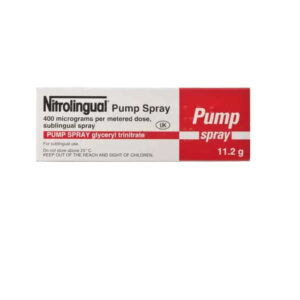
Treatments include GTN spray for immediate relief, and long-term medications like beta-blockers, calcium channel blockers, or statins to reduce heart strain and prevent future episodes.

Is it safe to treat angina online?

Yes, with proper medical review. You must complete a detailed consultation including current medications and medical history. A prescriber will assess if treatment is safe for you.

What should I do if GTN spray doesn’t work?

If chest pain persists after using GTN, seek emergency medical help immediately as it could indicate a heart attack.

Ready to start your treatment?

Browse our treatments or book a consultation with our pharmacy team today.

Start Your Consultation
Trusted By & Working With