



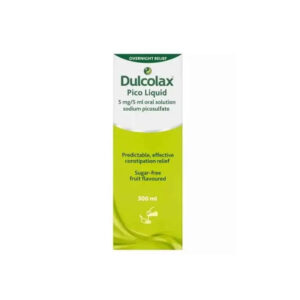

Constipation is a common digestive issue where bowel movements become infrequent or difficult to pass. It happens when stool moves too slowly through the intestines, causing it to become hard and dry. Most people experience constipation occasionally, but when it persists, it can cause discomfort and affect overall well-being.
The main signs of constipation include having fewer than three bowel movements per week, straining when passing stool, or feeling like the bowel hasn’t completely emptied. Some people may also experience bloating, abdominal pain, or a sense of heaviness in the stomach. These symptoms can vary in intensity depending on diet, hydration, and general lifestyle.
Several factors can lead to constipation. A low-fibre diet, dehydration, lack of exercise, and ignoring the urge to use the toilet are common causes. Stress, changes in routine, or certain medical conditions can also contribute. It’s especially common during travel or pregnancy, when dietary and hormonal changes affect digestion.