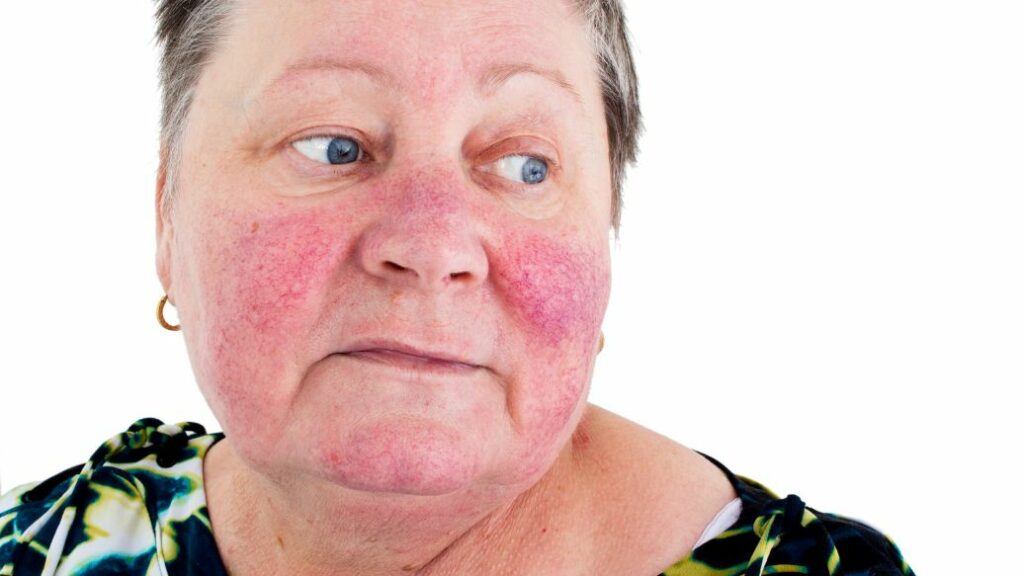
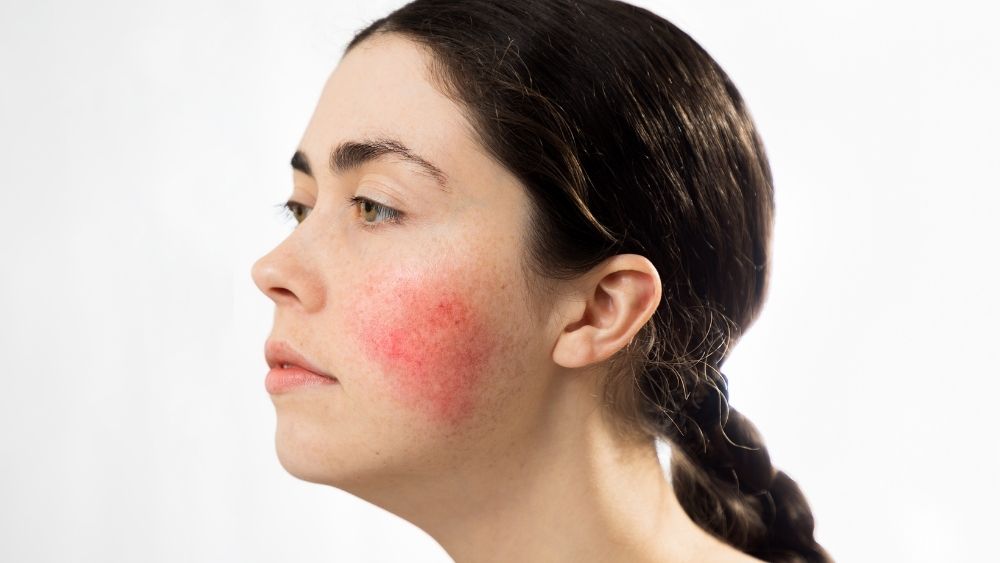
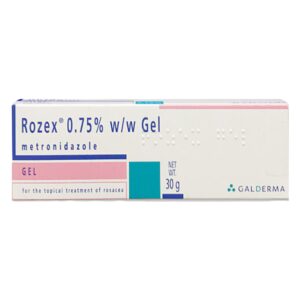
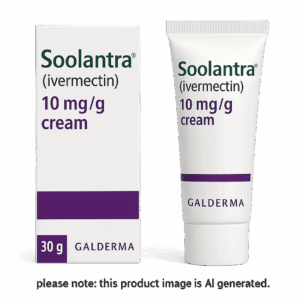
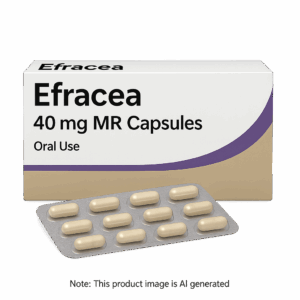
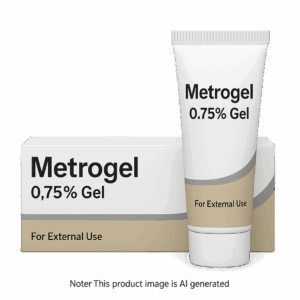
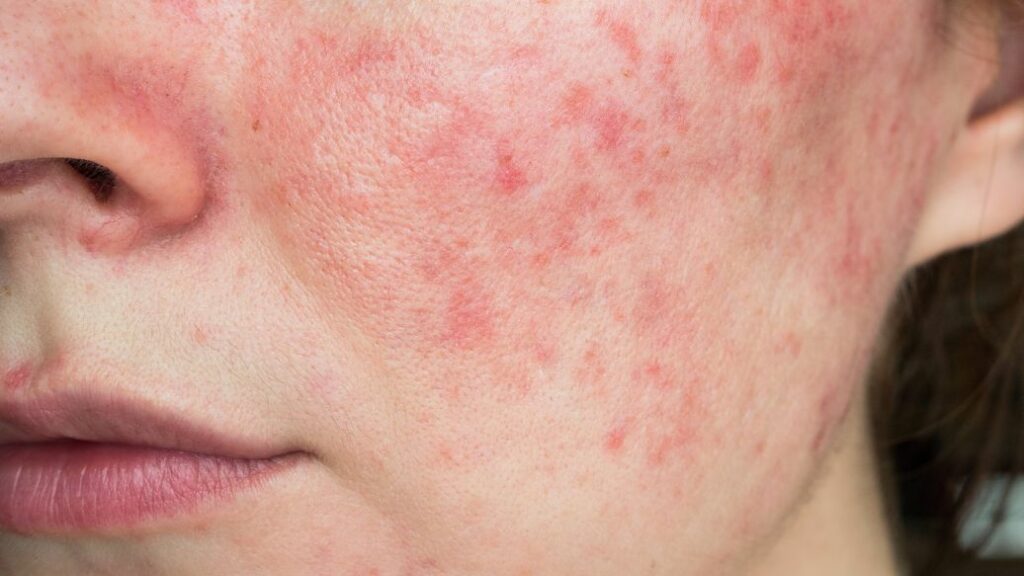
Rosacea is a long-term skin condition that causes redness, visible blood vessels, and sometimes small bumps or pimples on the face. It most commonly affects the cheeks, nose, chin, and forehead, and can sometimes cause eye irritation. The condition tends to flare up periodically and may be mistaken for acne or other skin problems. While rosacea is not harmful, it can cause discomfort and affect self-confidence.
The exact cause of rosacea is not fully understood, but it is thought to involve a combination of genetic and environmental factors. Overactive blood vessels and immune system responses in the skin play a role in creating redness and inflammation. People with fair skin and a family history of the condition are more likely to develop it.
Flare-ups can be triggered by a variety of factors, including heat, sunlight, spicy foods, alcohol, stress, and temperature changes. Certain skincare products or medications may also aggravate symptoms. Identifying and avoiding personal triggers is key to managing the condition and reducing its frequency.