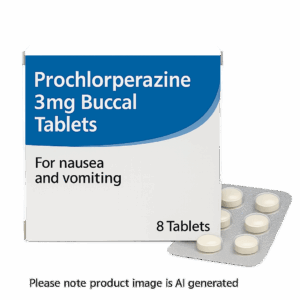

Metoclopramide is a prescription-only medication used to treat and prevent nausea and vomiting caused by various medical conditions. These include nausea linked to chemotherapy, radiotherapy, migraine attacks, post-operative recovery, and gastrointestinal disorders such as gastroparesis and reflux. It is also sometimes used diagnostically to promote gastric emptying before certain procedures. Metoclopramide is available in multiple formulations, including tablets and oral solution, offering flexibility depending on patient needs and clinical setting.
How It Works
Metoclopramide belongs to a class of medications known as dopamine antagonists. It works by blocking dopamine receptors in both the central nervous system and the gastrointestinal tract. This dual action helps suppress the vomiting reflex in the brain’s chemoreceptor trigger zone while simultaneously enhancing upper gastrointestinal motility. Specifically, it increases the strength and frequency of stomach muscle contractions, accelerating the passage of food into the intestines and reducing the likelihood of nausea and vomiting. This mechanism is especially beneficial in conditions where delayed gastric emptying contributes to discomfort.
Why Choose Metoclopramide
Metoclopramide is clinically effective for rapid symptom control and is commonly used in hospitals and outpatient care due to its versatility. The medication is fast-acting and suitable for short-term use, typically limited to five days to minimise neurological risks. It is especially valuable for patients undergoing chemotherapy or those who suffer from persistent or severe migraines. The availability of both oral tablets and liquid formulations allows for individualised dosing, particularly useful for those with swallowing difficulties or paediatric patients. The predictable pharmacological profile and gastrointestinal benefits make Metoclopramide a reliable choice for managing acute and short-term nausea.
Important Note
While Metoclopramide is effective, its use must be carefully limited in duration due to the risk of extrapyramidal side effects and tardive dyskinesia, particularly with prolonged or high-dose use. It should not be taken by individuals with epilepsy, Parkinson’s disease, gastrointestinal obstruction, or a history of neuroleptic malignant syndrome. A detailed medical assessment is necessary before initiation. Alcohol should be avoided during treatment, and patients must be monitored for neurological symptoms, especially during repeat courses.

Directions
Please refer to the medication’s patient information leaflet before starting any new medication.
-
Take Metoclopramide exactly as prescribed, usually up to three times daily
-
The maximum recommended duration of treatment is five days
-
Maintain a minimum interval of six hours between doses
-
Store below 25°C
-
Keep in original packaging
-
Keep out of reach of children
Deprecated: Function wc_enqueue_js is
deprecated since version 10.4.0! Use wp_add_inline_script instead. in
/var/www/vhosts/pharmacymentordev.com/woopw-dev-himani.pharmacymentordev.com/wp-includes/functions.php on line
6170
Ingredients
Active Ingredient:
Other Ingredients (tablet):
Other Ingredients (oral solution):
Deprecated: Function wc_enqueue_js is
deprecated since version 10.4.0! Use wp_add_inline_script instead. in
/var/www/vhosts/pharmacymentordev.com/woopw-dev-himani.pharmacymentordev.com/wp-includes/functions.php on line
6170
Side Effects
Common side effects may include:
-
Drowsiness
-
Diarrhoea
-
Restlessness
-
Fatigue
-
Headache
Serious (rare) side effects:
-
Extrapyramidal symptoms (involuntary muscle movements)
-
Tardive dyskinesia (involuntary repetitive movements)
-
Neuroleptic malignant syndrome (a life-threatening neurological disorder)
-
Depression or suicidal thoughts
-
Allergic reactions (rash, itching, swelling)
Stop the medicine and seek medical attention if serious side effects occur.
Deprecated: Function wc_enqueue_js is
deprecated since version 10.4.0! Use wp_add_inline_script instead. in
/var/www/vhosts/pharmacymentordev.com/woopw-dev-himani.pharmacymentordev.com/wp-includes/functions.php on line
6170
Warnings
Do not take Metoclopramide if you are allergic to any of its ingredients. It is contraindicated in patients with gastrointestinal bleeding, obstruction, or perforation, epilepsy, or Parkinson’s disease. Use with caution in patients with kidney or liver impairment. Not recommended during pregnancy or breastfeeding unless advised by a doctor. Avoid alcohol during treatment.
Deprecated: Function wc_enqueue_js is
deprecated since version 10.4.0! Use wp_add_inline_script instead. in
/var/www/vhosts/pharmacymentordev.com/woopw-dev-himani.pharmacymentordev.com/wp-includes/functions.php on line
6170
-
Metoclopramide can be taken with or without food. However, alcohol should be avoided during treatment as it may increase the risk of drowsiness and other side effects.
-
Metoclopramide works by blocking dopamine receptors in the brain and gut, which helps reduce feelings of nausea and enhances the movement of the stomach and intestines.
-
Metoclopramide should be taken exactly as prescribed, usually up to three times daily. The maximum recommended duration of treatment is five days to minimize the risk of side effects.
-
Metoclopramide is not suitable for individuals with certain conditions, such as gastrointestinal bleeding, epilepsy, or Parkinson's disease. A healthcare professional should assess suitability before prescribing.
-
Metoclopramide is used to treat nausea and vomiting associated with chemotherapy, radiotherapy, surgery, and acute migraine. It also aids in gastric emptying for certain gastrointestinal disorders.
Deprecated: Function wc_enqueue_js is
deprecated since version 10.4.0! Use wp_add_inline_script instead. in
/var/www/vhosts/pharmacymentordev.com/woopw-dev-himani.pharmacymentordev.com/wp-includes/functions.php on line
6170