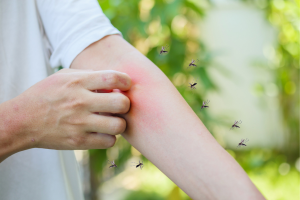


Malaria prophylaxis refers to the preventive measures taken to reduce the risk of contracting malaria when travelling to or living in areas where the disease is common. Malaria is caused by Plasmodium parasites transmitted through the bite of infected Anopheles mosquitoes. Prevention focuses on both avoiding mosquito bites and using preventive medication to stop infection from developing if bitten.
The risk of malaria depends on the region, season, and altitude of travel. Consulting a healthcare professional before travelling ensures the right preventive plan is chosen. Prophylactic medications are usually started before entering an endemic area, continued during the stay, and taken for a short period after leaving to ensure full protection against the parasite’s life cycle.
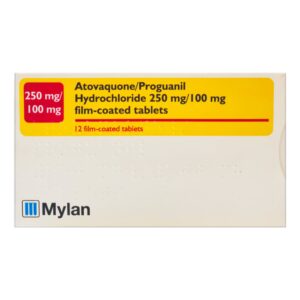
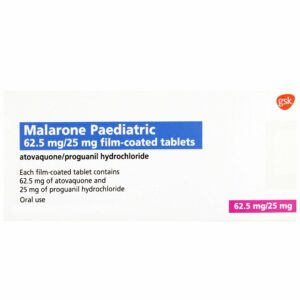
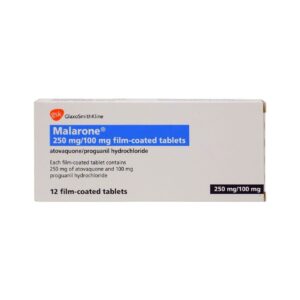
Different types of malaria prophylactic medications are available, and the choice depends on factors such as destination, duration of stay, medical history, and possible side effects. Following dosage instructions carefully is essential, as missing doses can significantly reduce protection. These medications do not prevent mosquito bites but stop the parasite from multiplying in the bloodstream if infection occurs.